Fabulous day yesterday painting in Fromelles
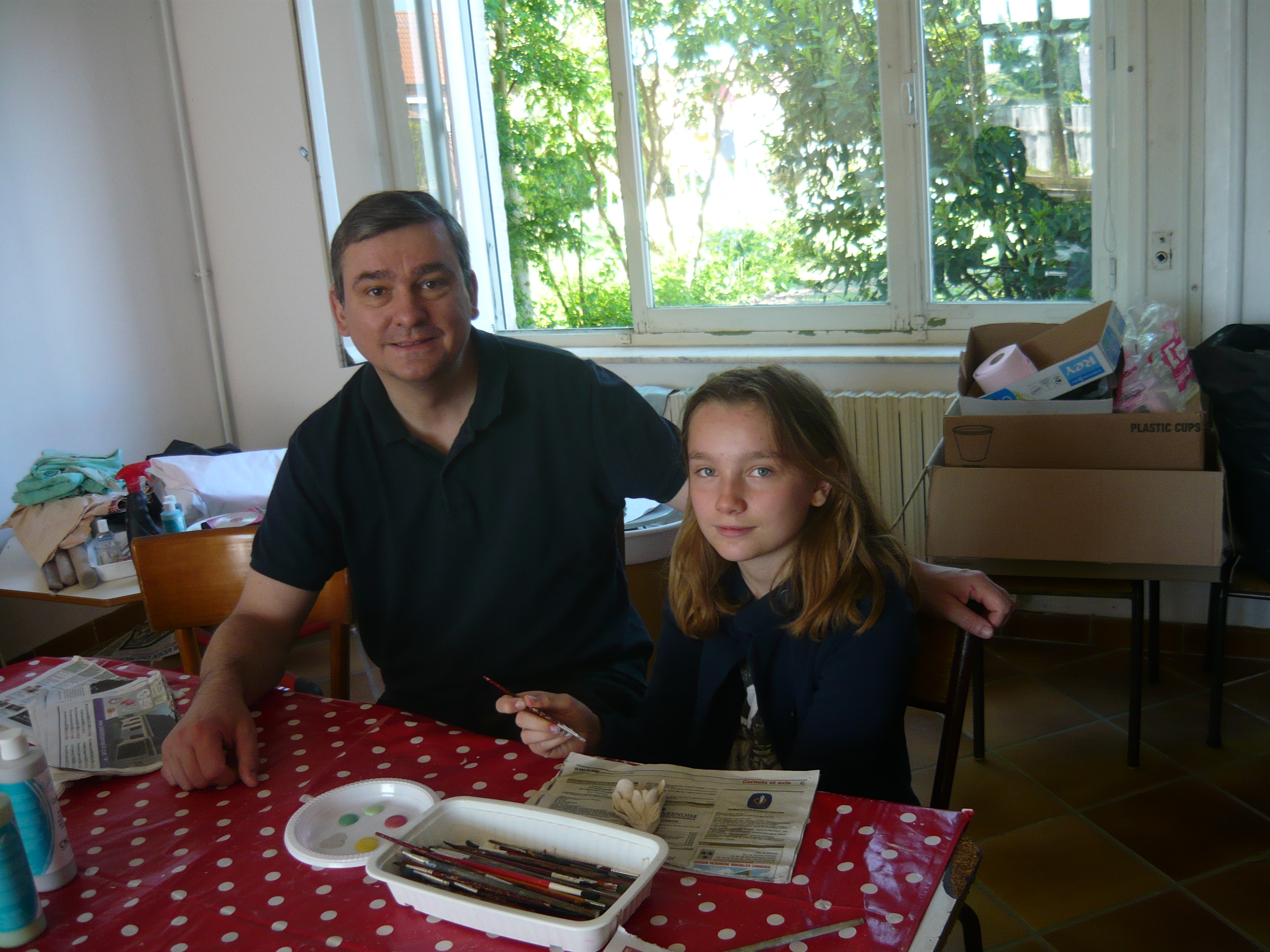
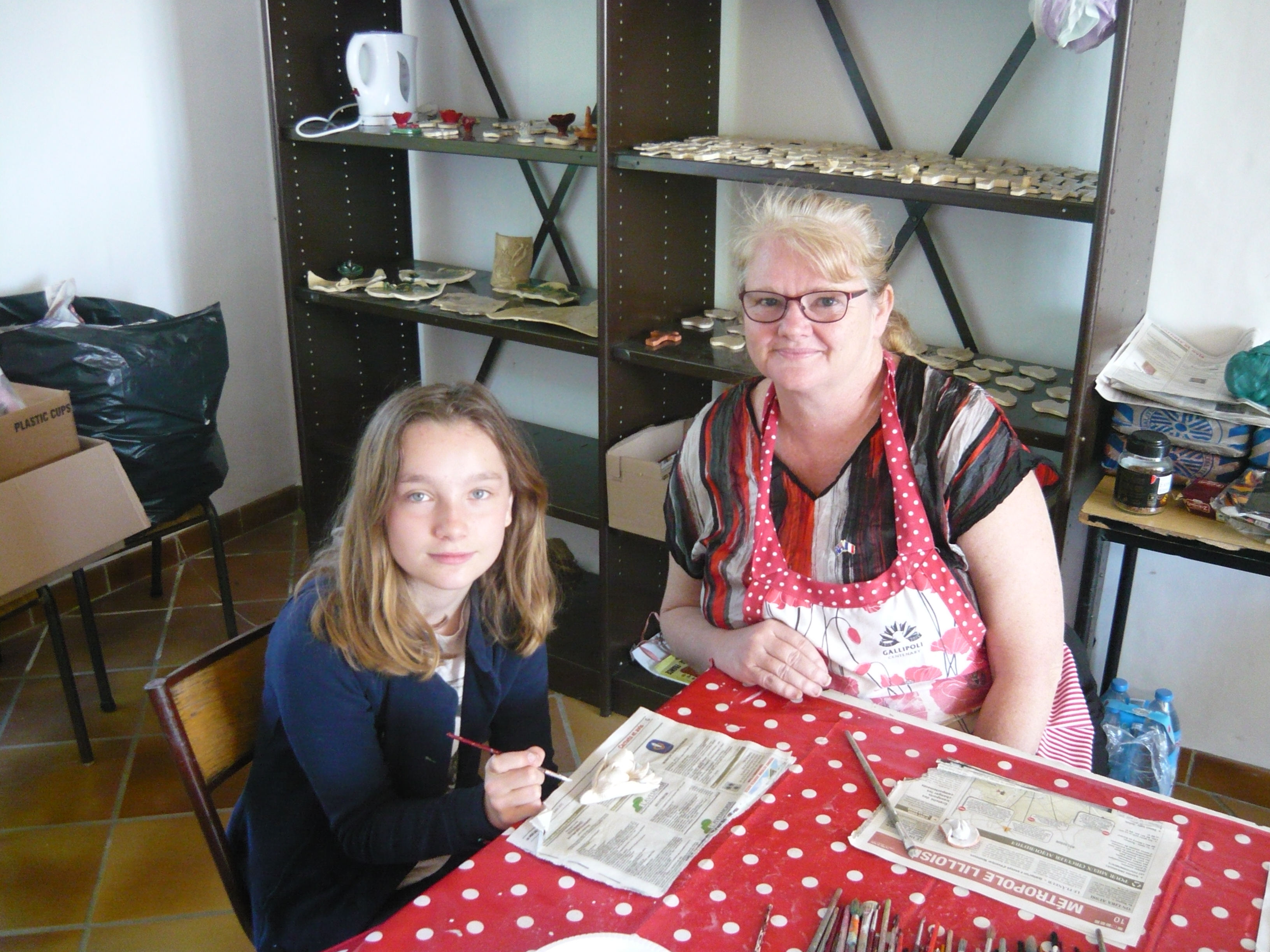
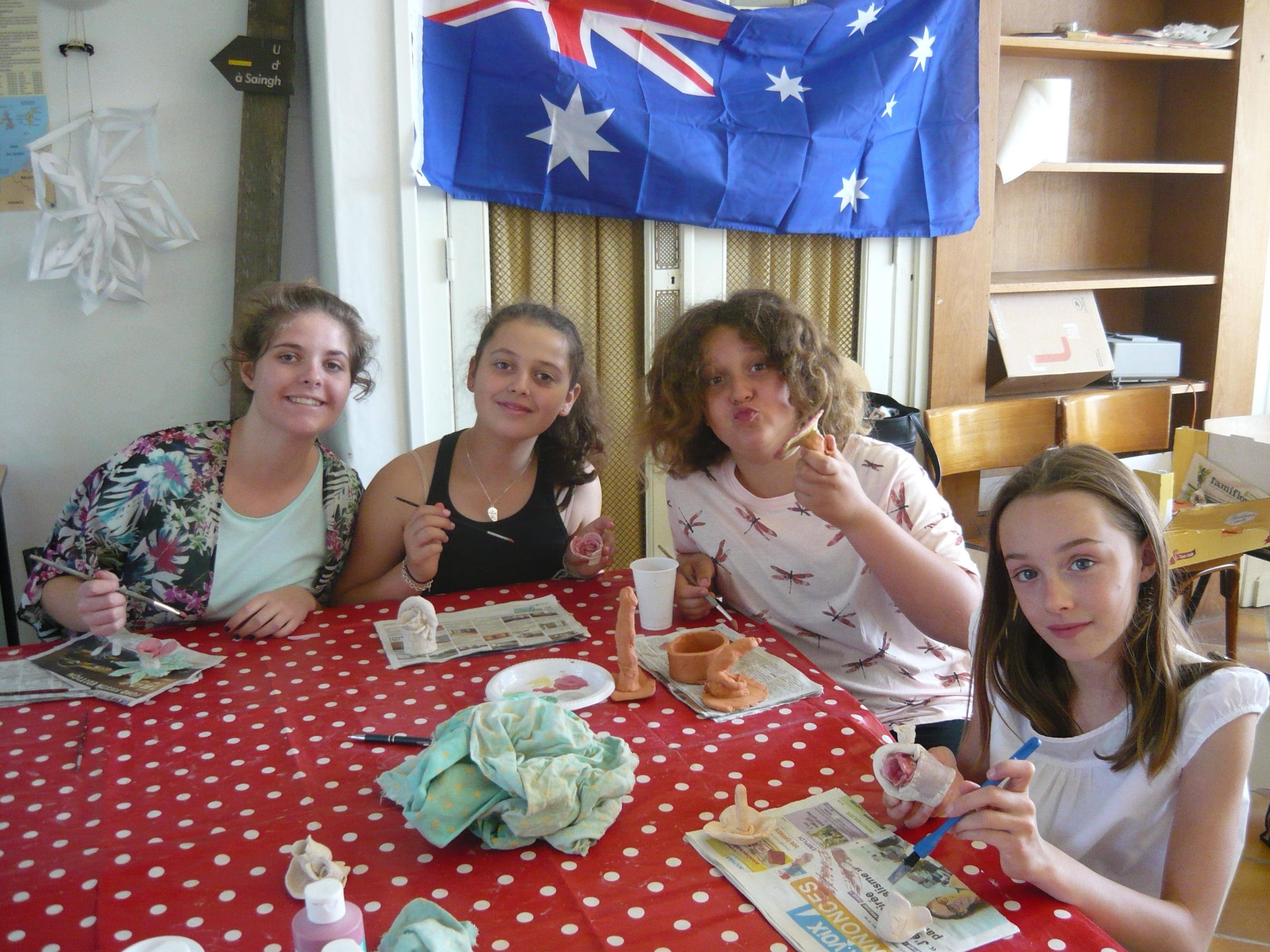
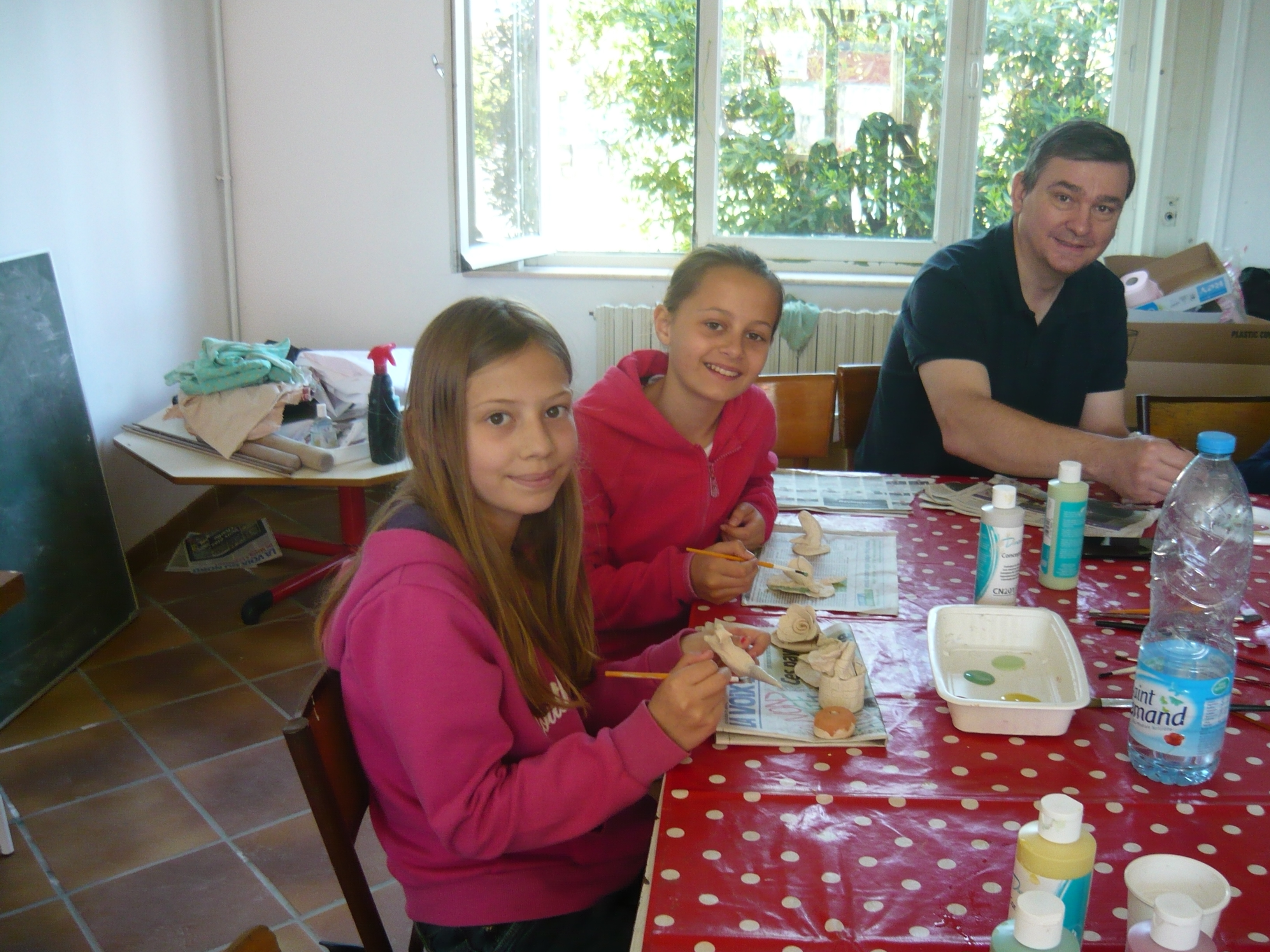
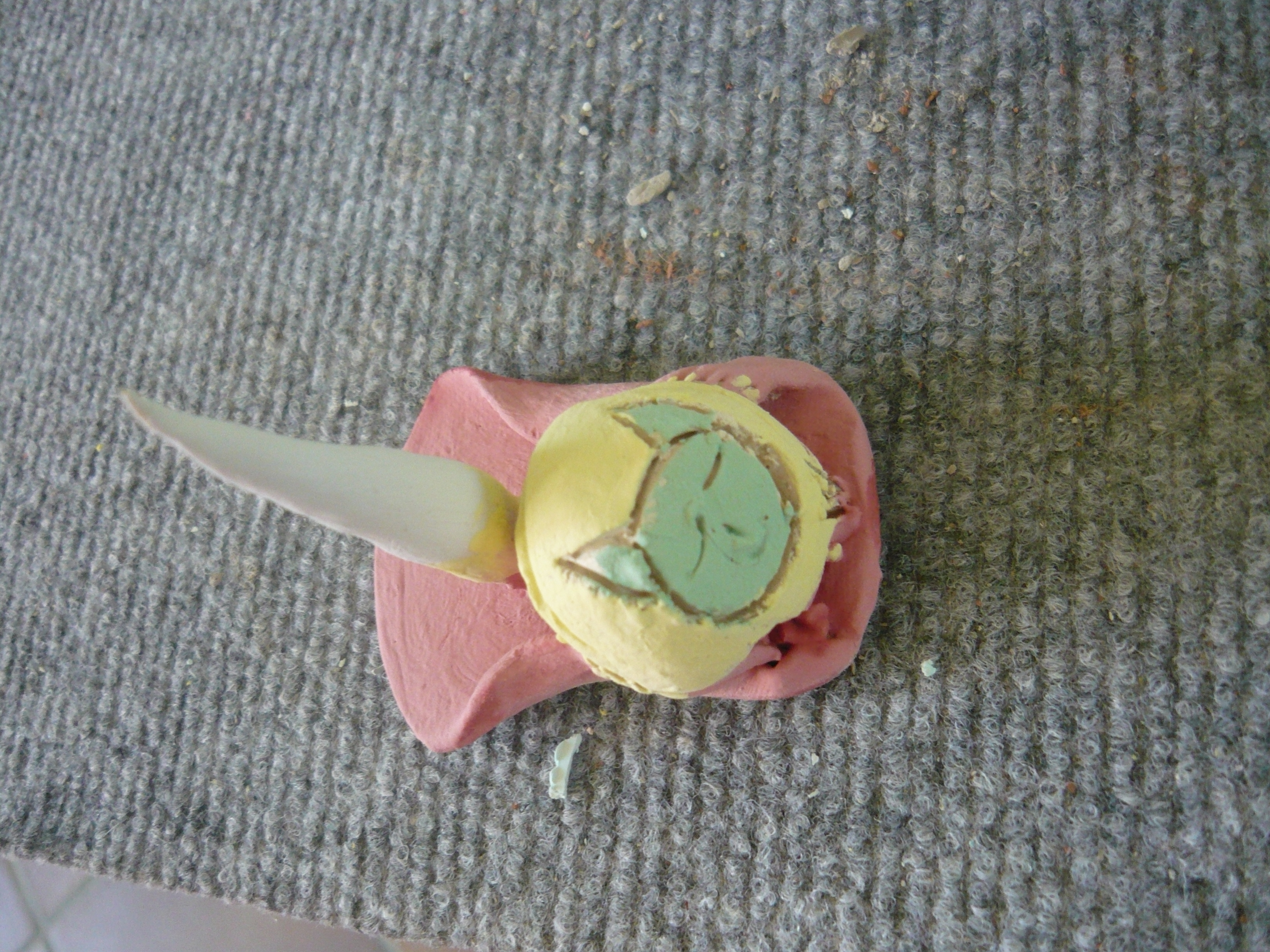
Fabulous day yesterday painting in Fromelles
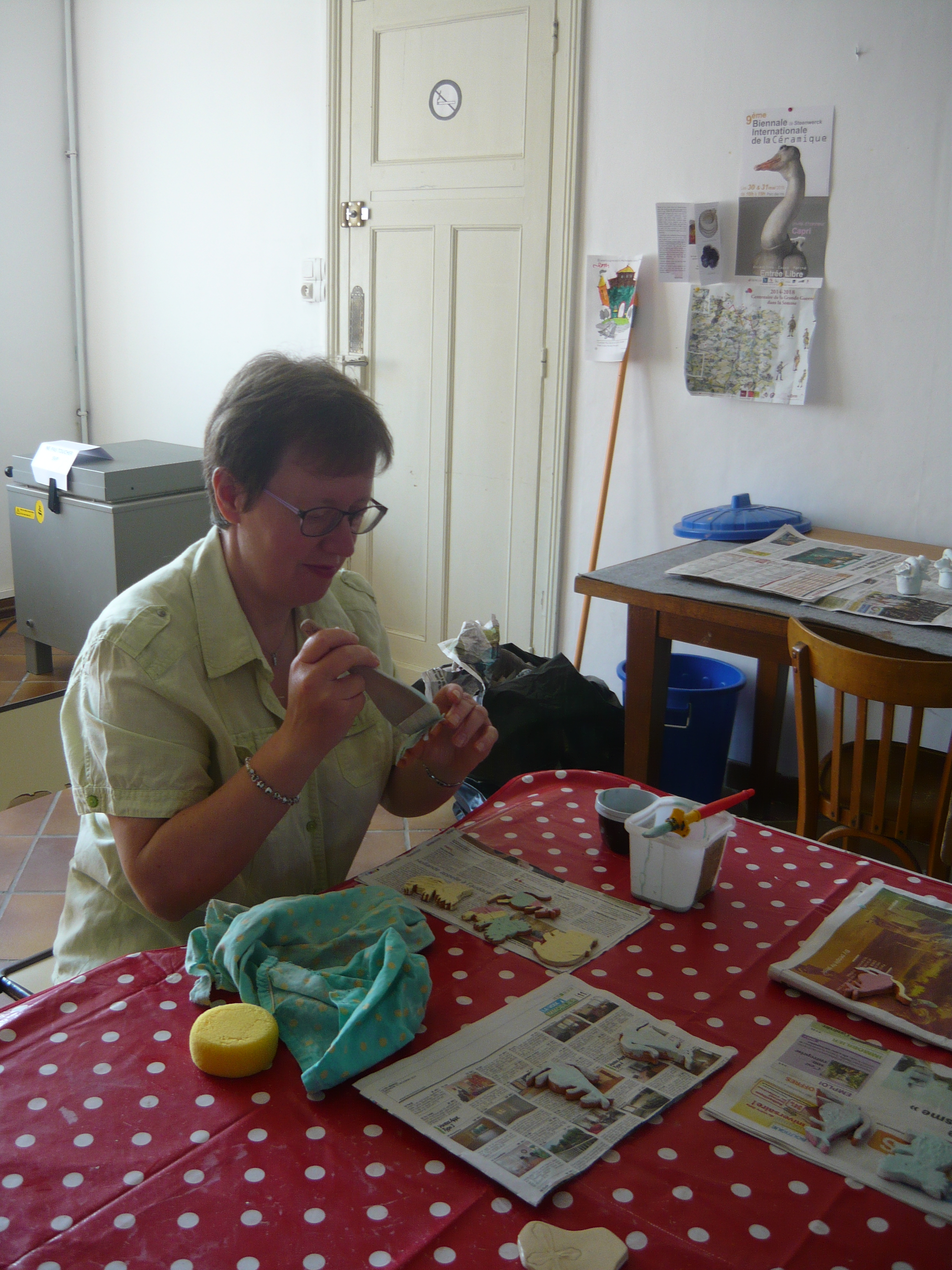
The lovely Thérèse my new host helped me glaze some koalas and kangaroos and made a beautiful cross for our garden.
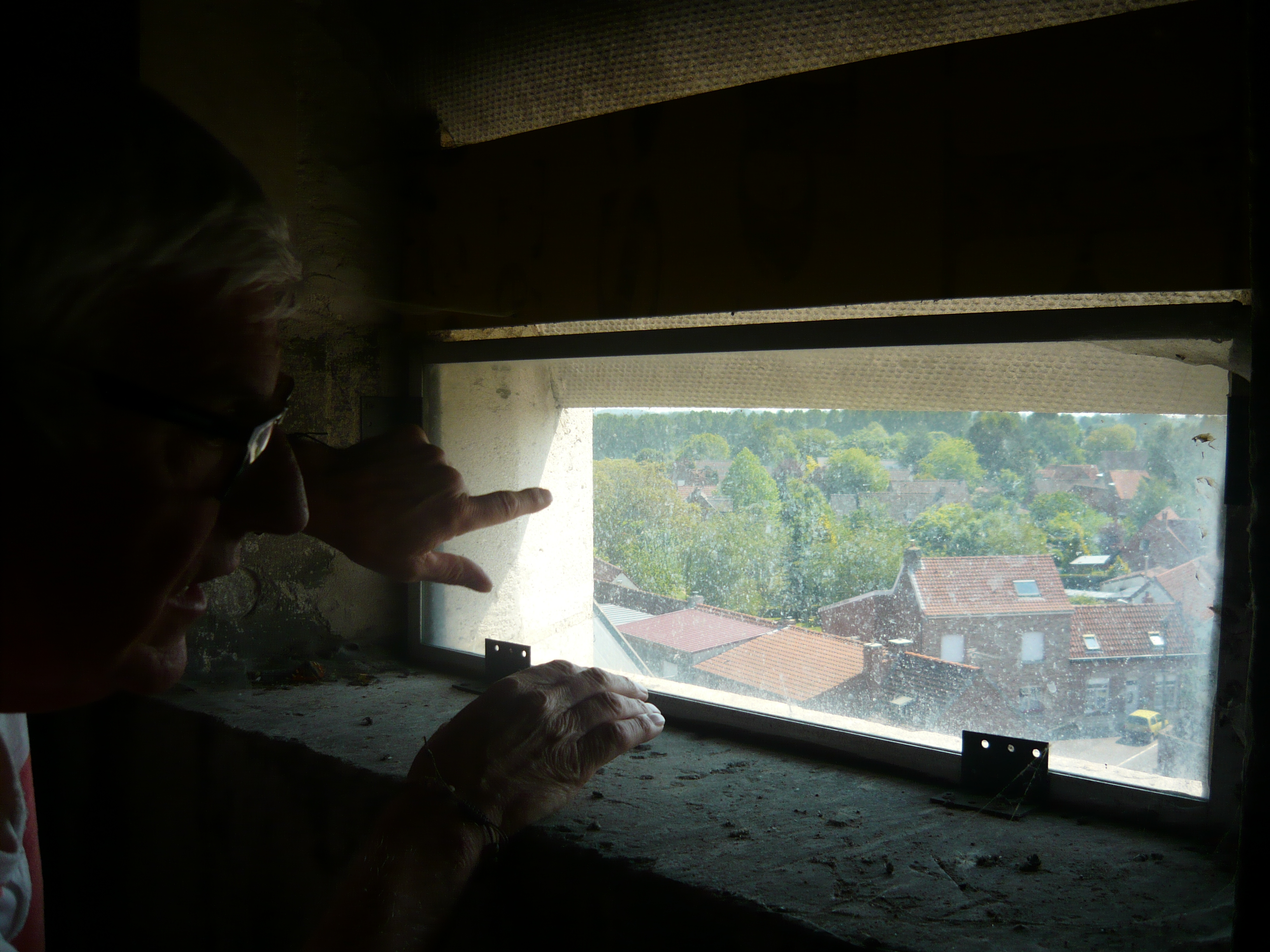
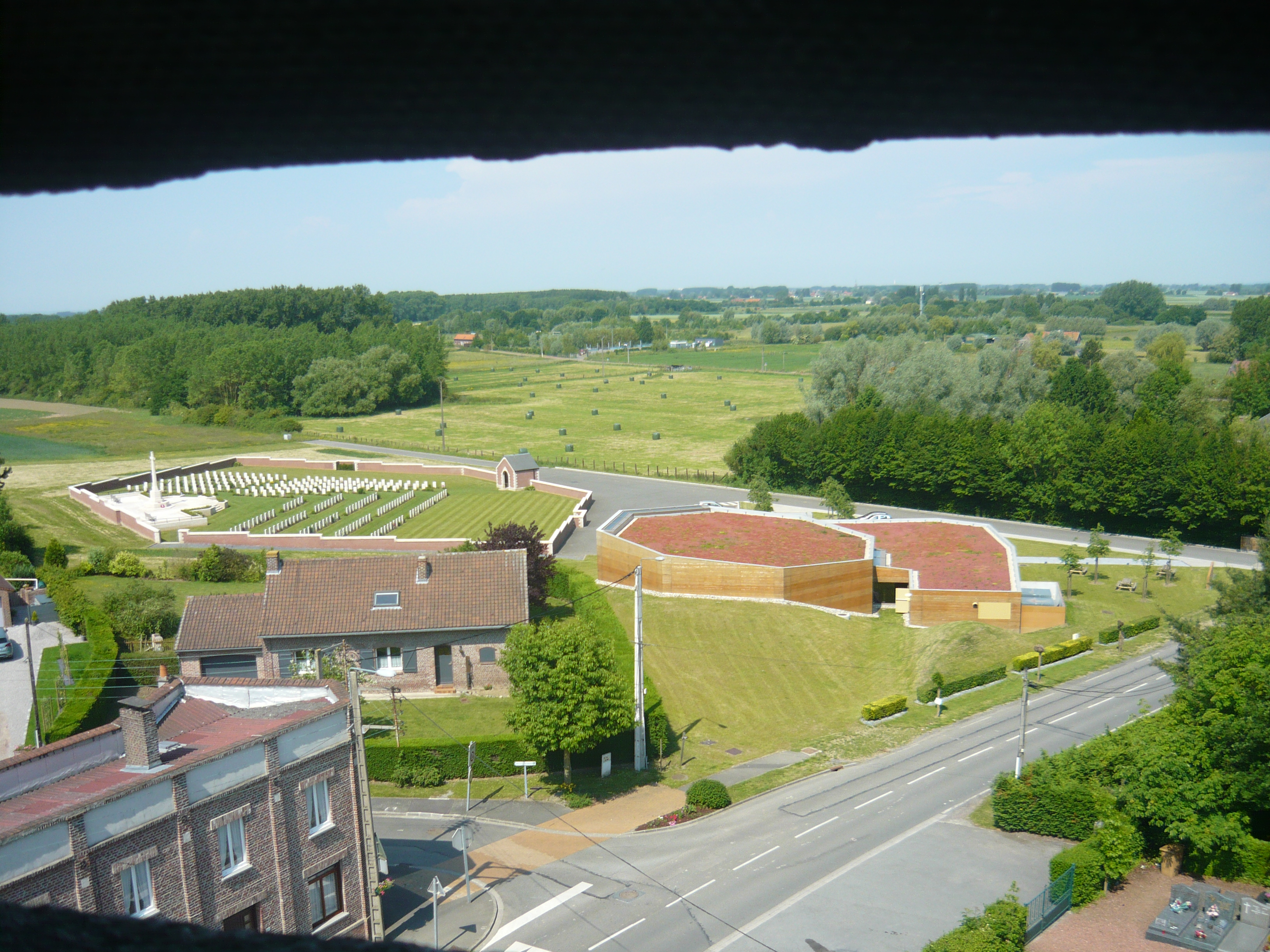
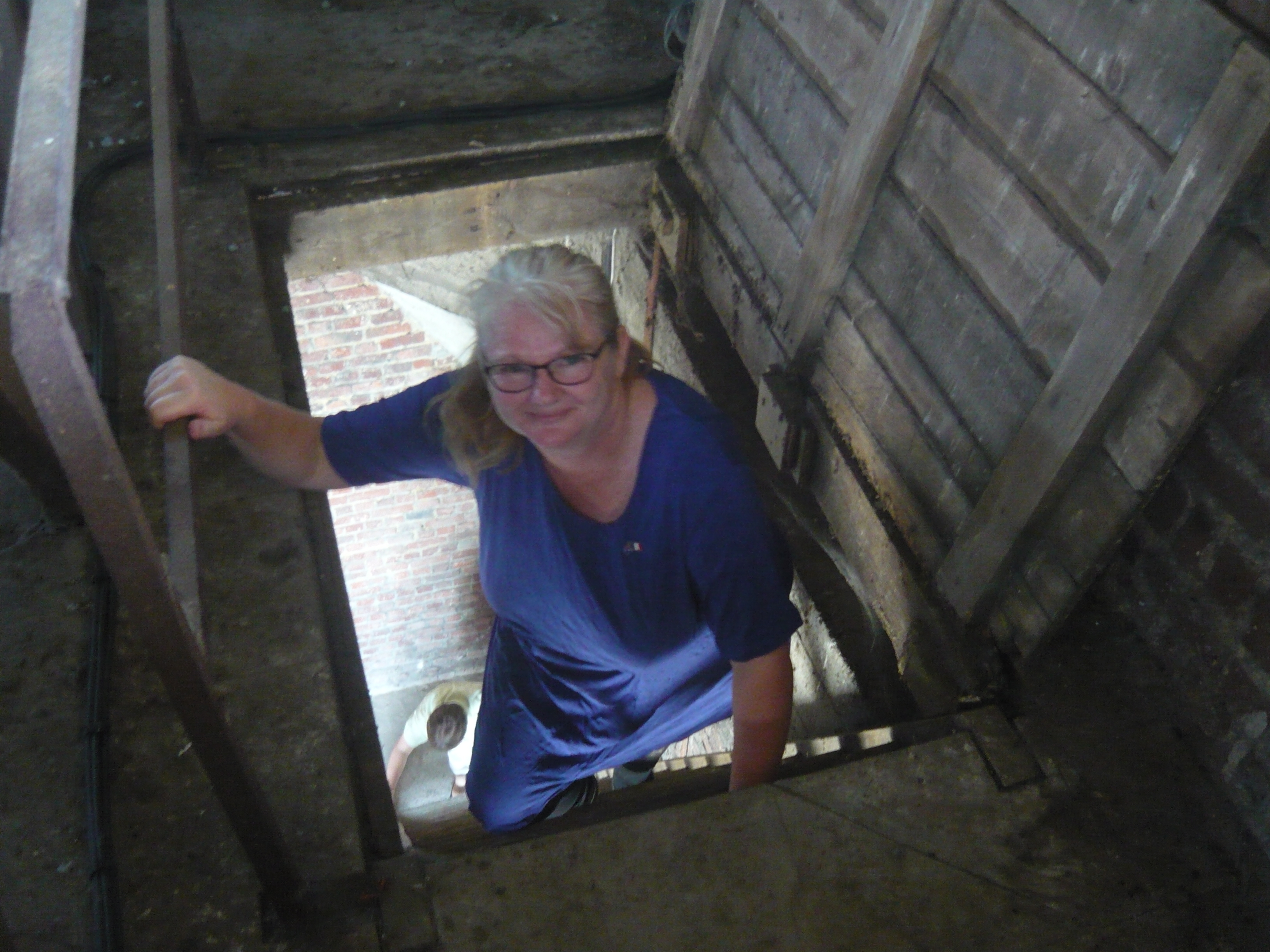
Then with Thérèse and Gervais and Regine, I Deborah (yes me for those who know my fear of heights and will not believe this) climbed up the bell tower at the church at Fromelles. Amazing but true and i have the pictures to prove it. I may have been slow and it may not have been the most dignified of exits as I climbed down but woot woot (translation – exclamations of delight and excitement) you should see the view from the top. and very few people have the honour of being able to go up there WOW.
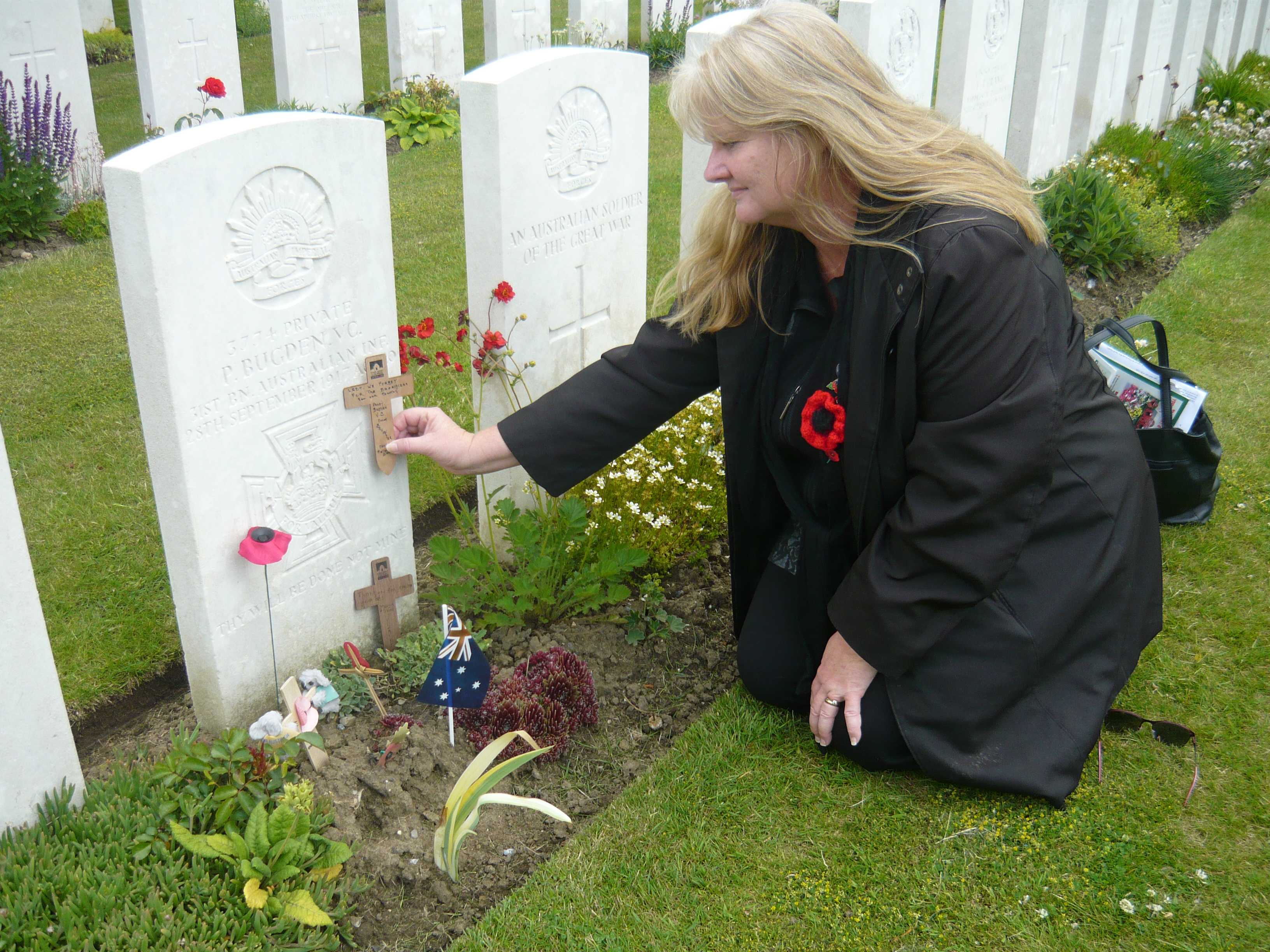
Wednesday was a fabulous day – a huge thank you and a hundred Merci’s to Brigitte and Liz Millward for a fabulous day out in Belgium. By pure chance I came across the grave of Paddy Bugden – Thérèse Ingelaere Bless her – gave me a book on ANZACs there was Paddy and the details of where he was buried. A quick request to Liz and as the grave was near where we were going to Iper that very morning and we found it. I was able to place Anne’s cross on Paddy’s grave. Hooge Crater, Polygon Wood, Tyne Cot and the Last Post at the Menin Gate.
Thank you Liz and Brigitte for the most wonderful wonderful day xxx
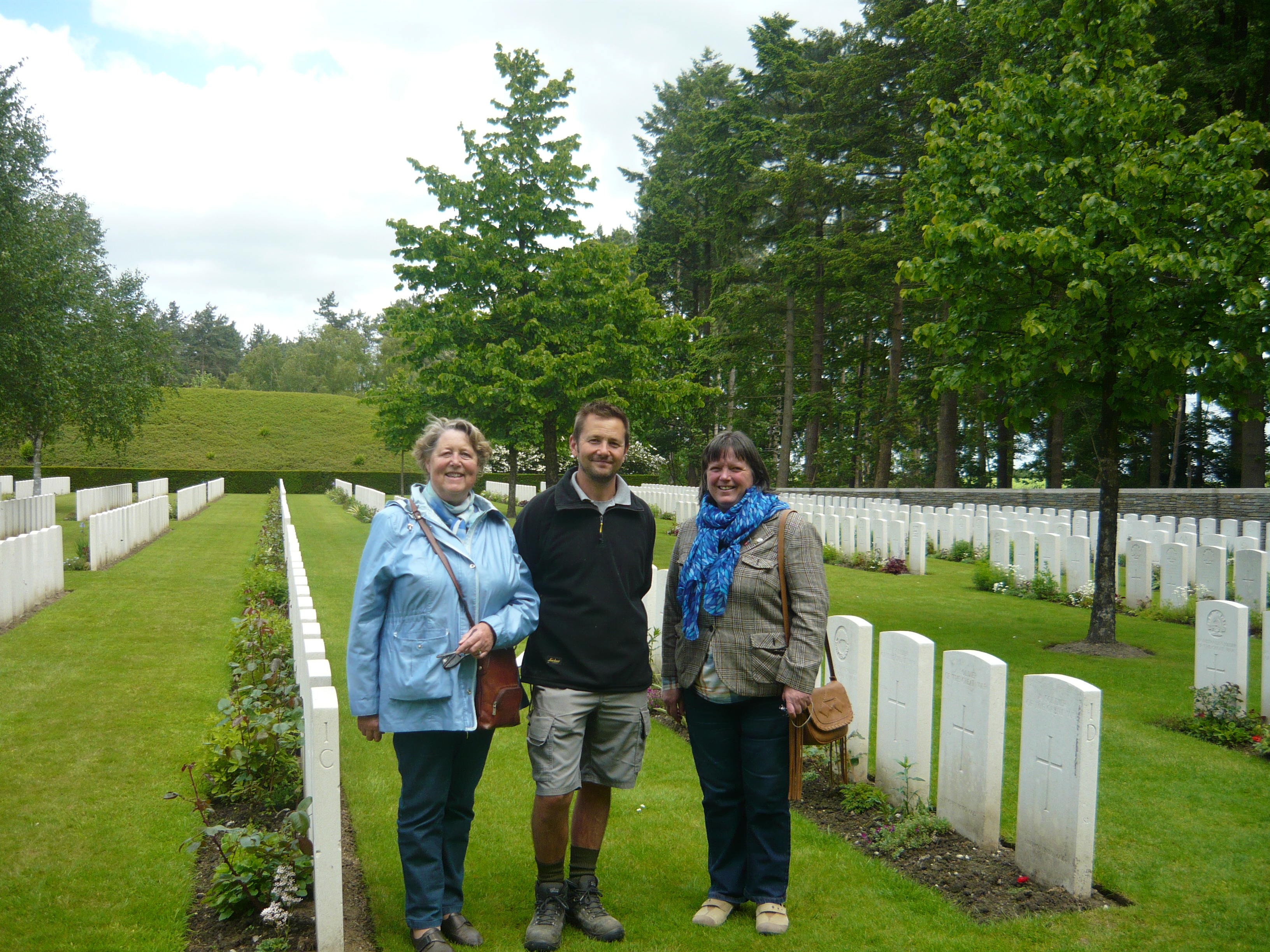
Polygon Wood – And an interesting chat with Mark Booth who is working with CWGC planting the beautiful flowers on the graves in all the Commonwealth Cemeteries.. A lot of planning and work goes into the selection of the plants and design of the planting. It is interesting to learn about something which I hadn’t given much thought to before – except to admire the stunning blooms of the flowers

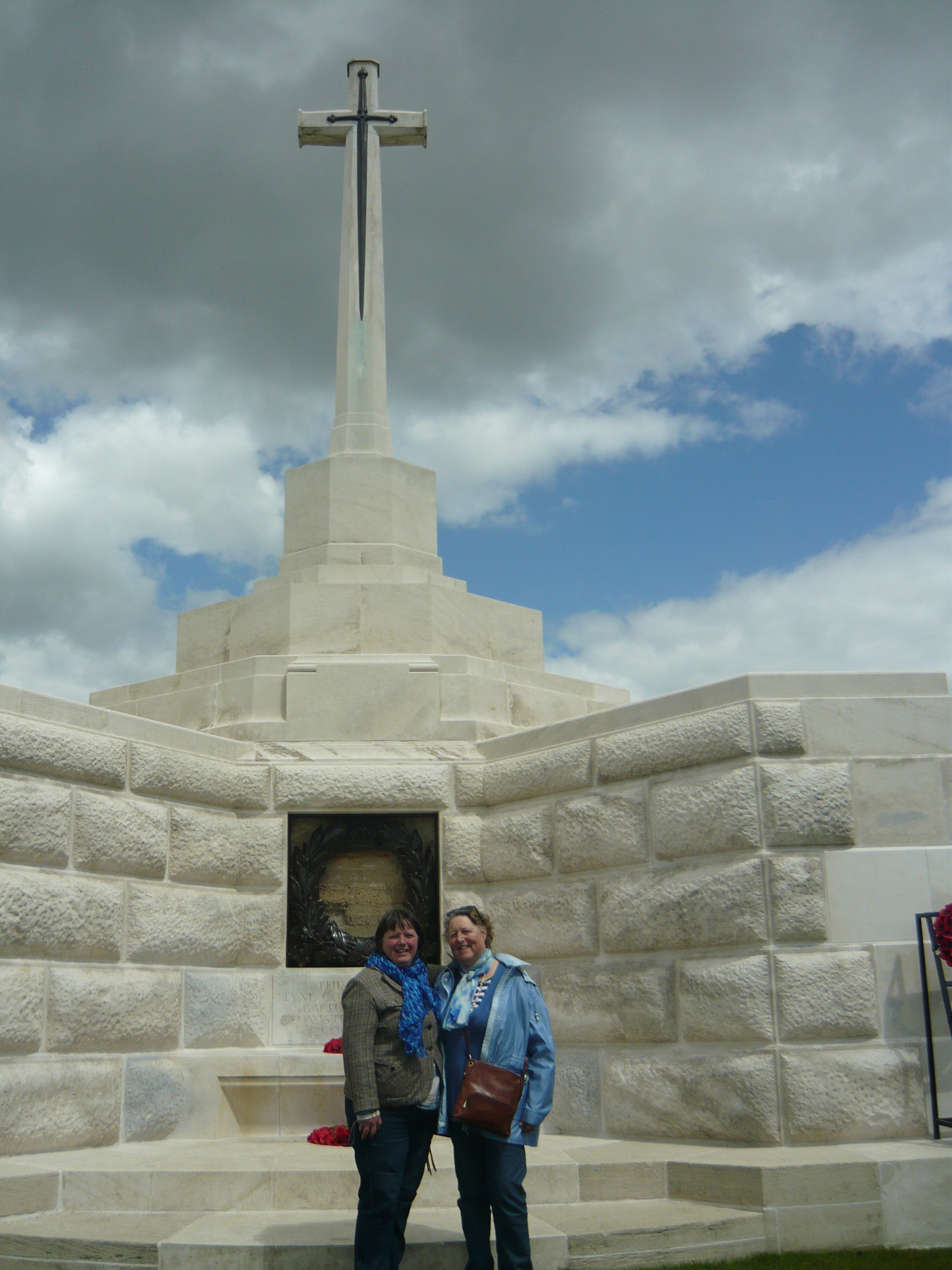
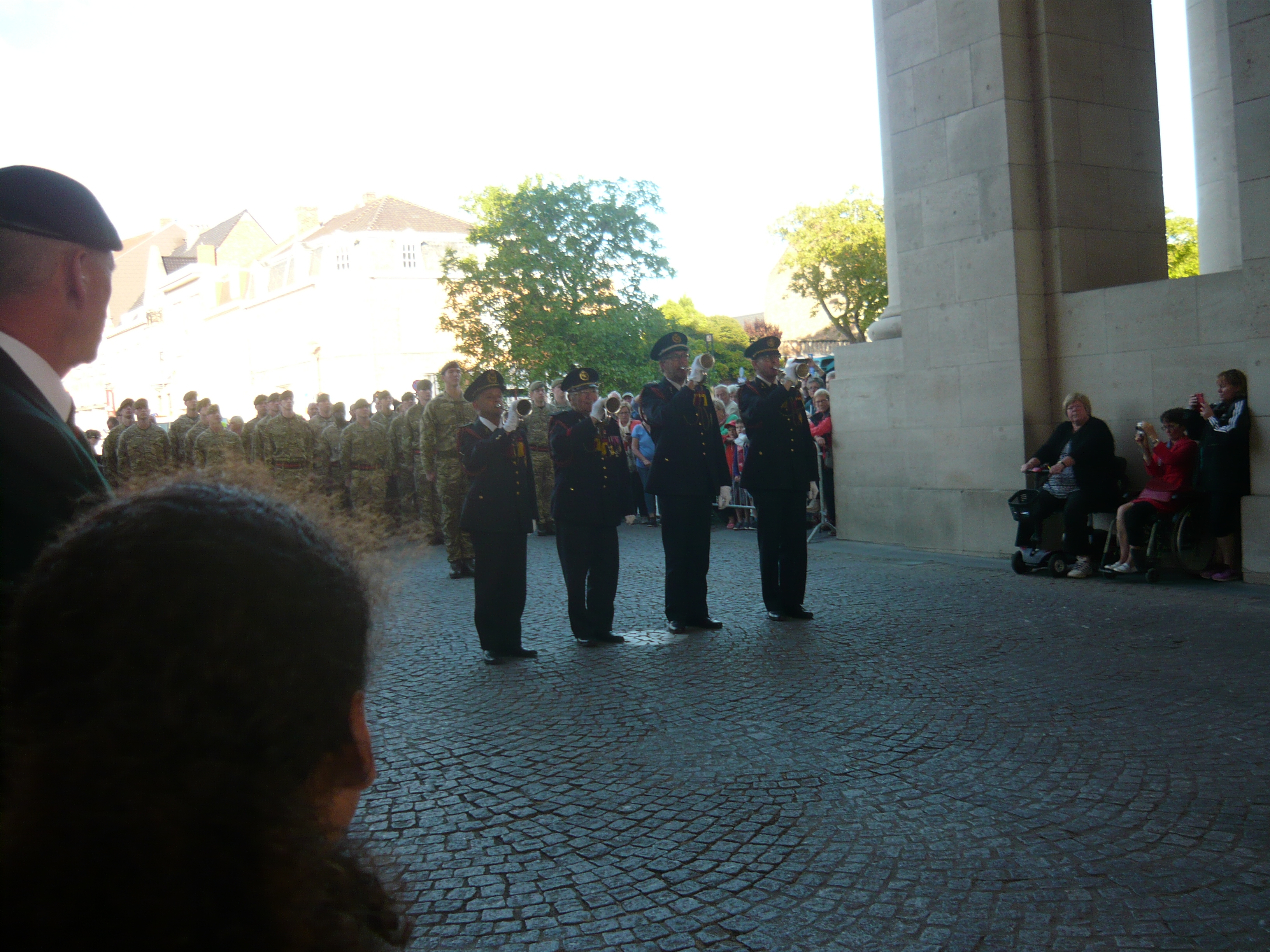
The most amazing collection of Trench Art at Hooge Crater Belgium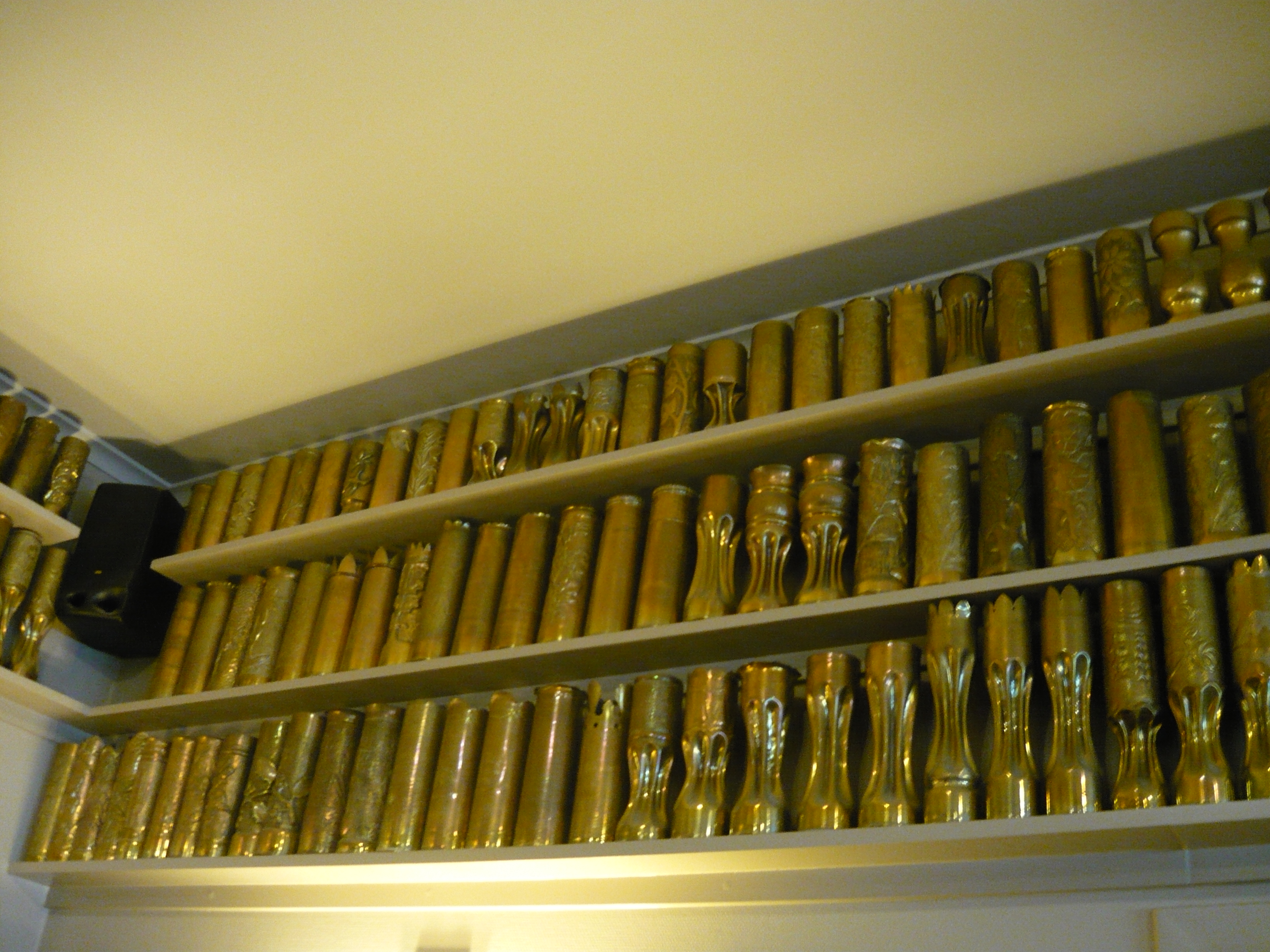
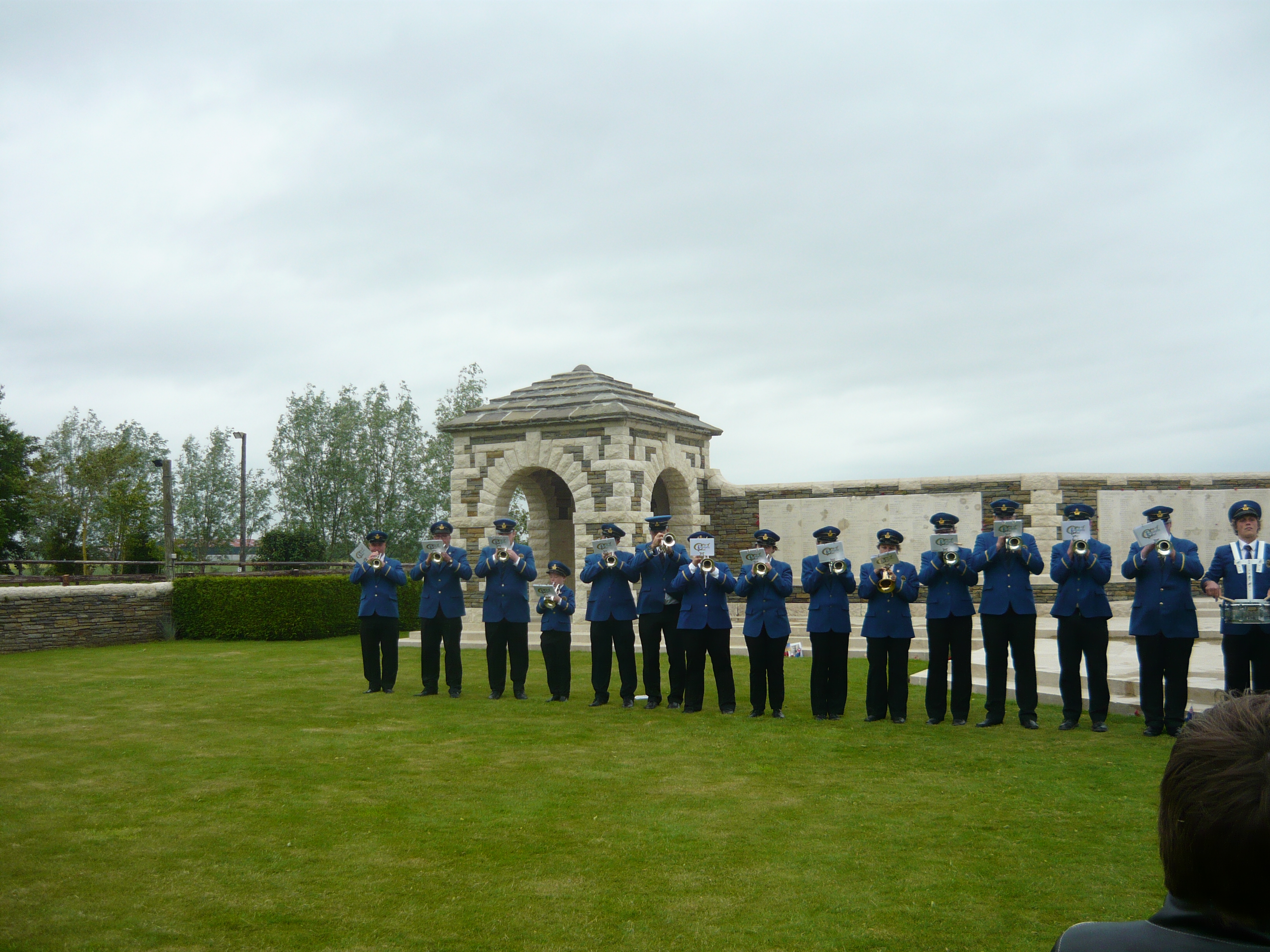
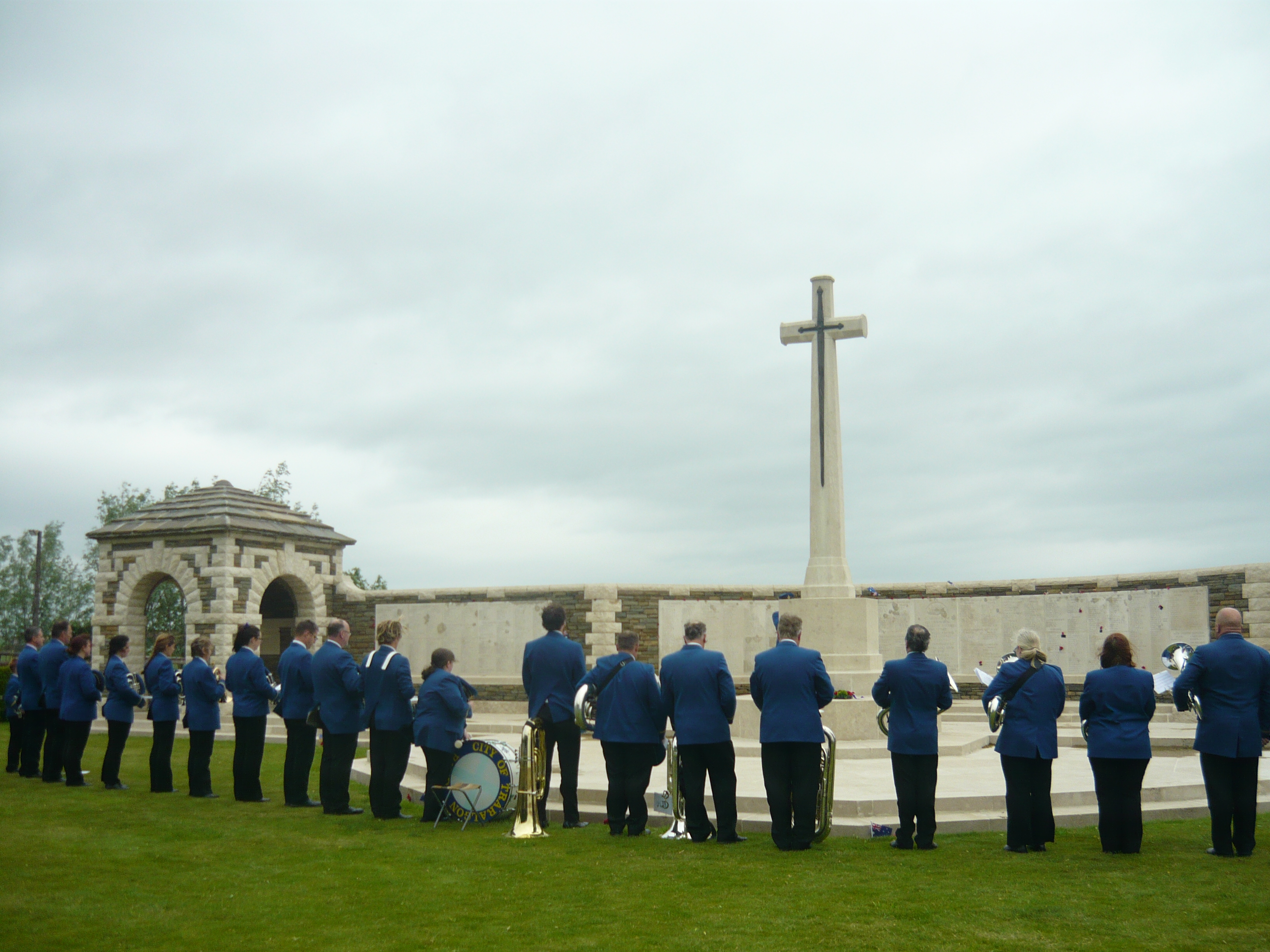
Sometimes life gives you an opportunity to share a special moment with people you have never met before. I have had a few of those moments over the last few weeks and this morning I was privileged to have another of these special moments. I was asked yesterday if I would like to come along to see some Australian musicians who were visiting Fromelles. Of course I said.
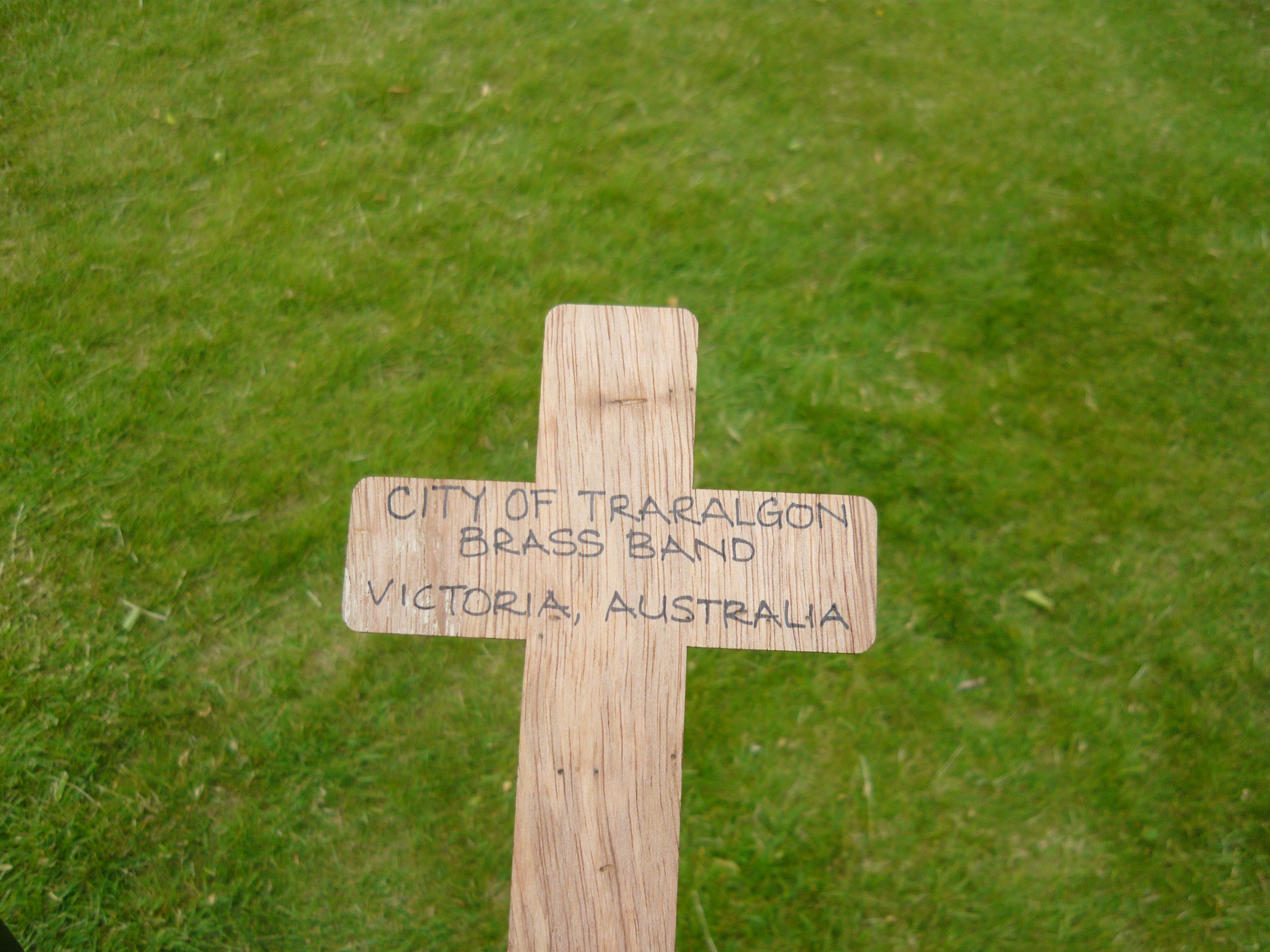
I thought there were 7 people. Turns out I had the pleasure of meeting 2 bus loads of Traralgon Brass Band members and their supporters (Melbournites:) A few of the members had relatives whose names were on the wall at VC Corner. They had a very moving service – played Waltzing Matilda (Yes there were tears in my eyes).
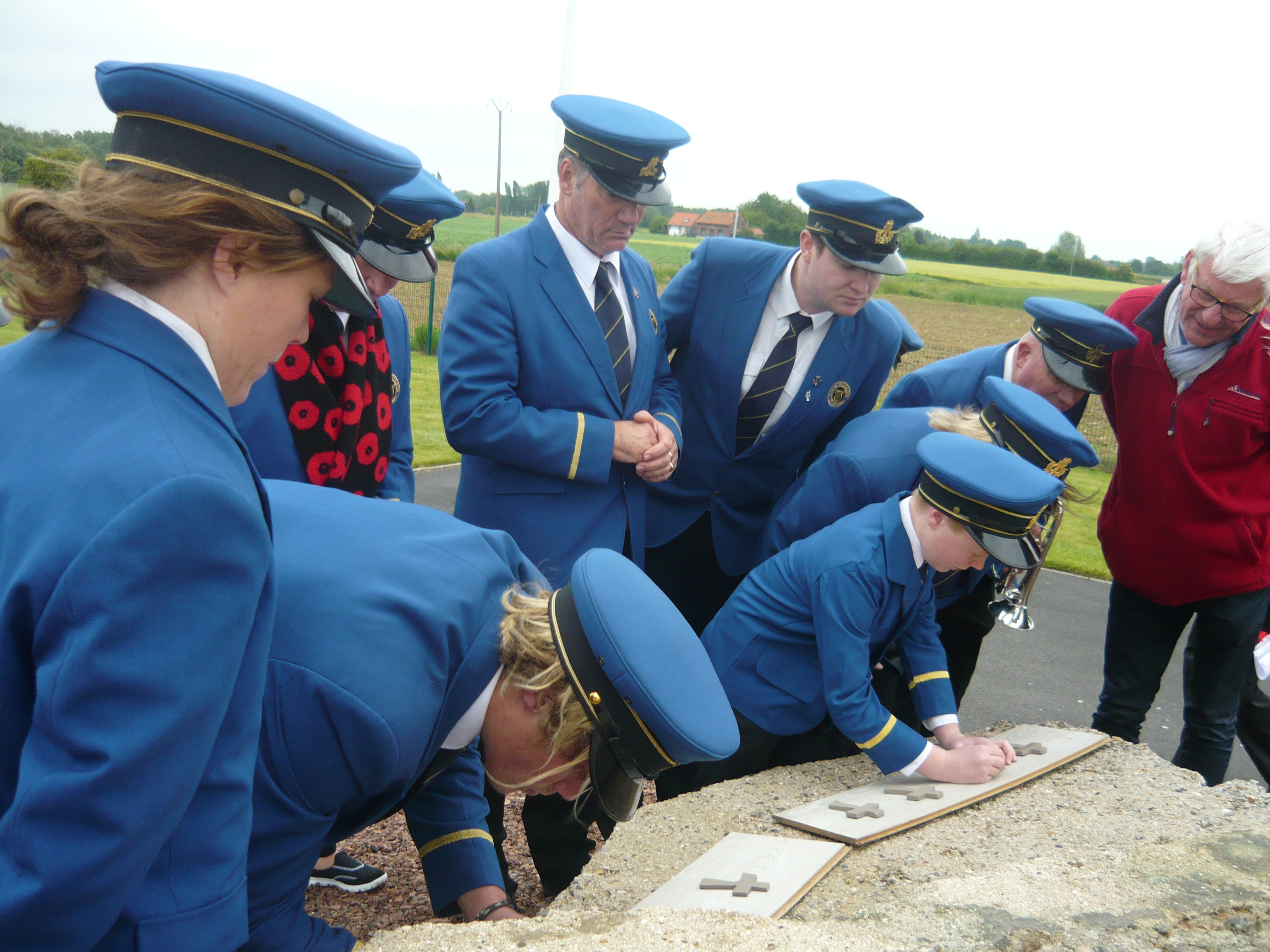
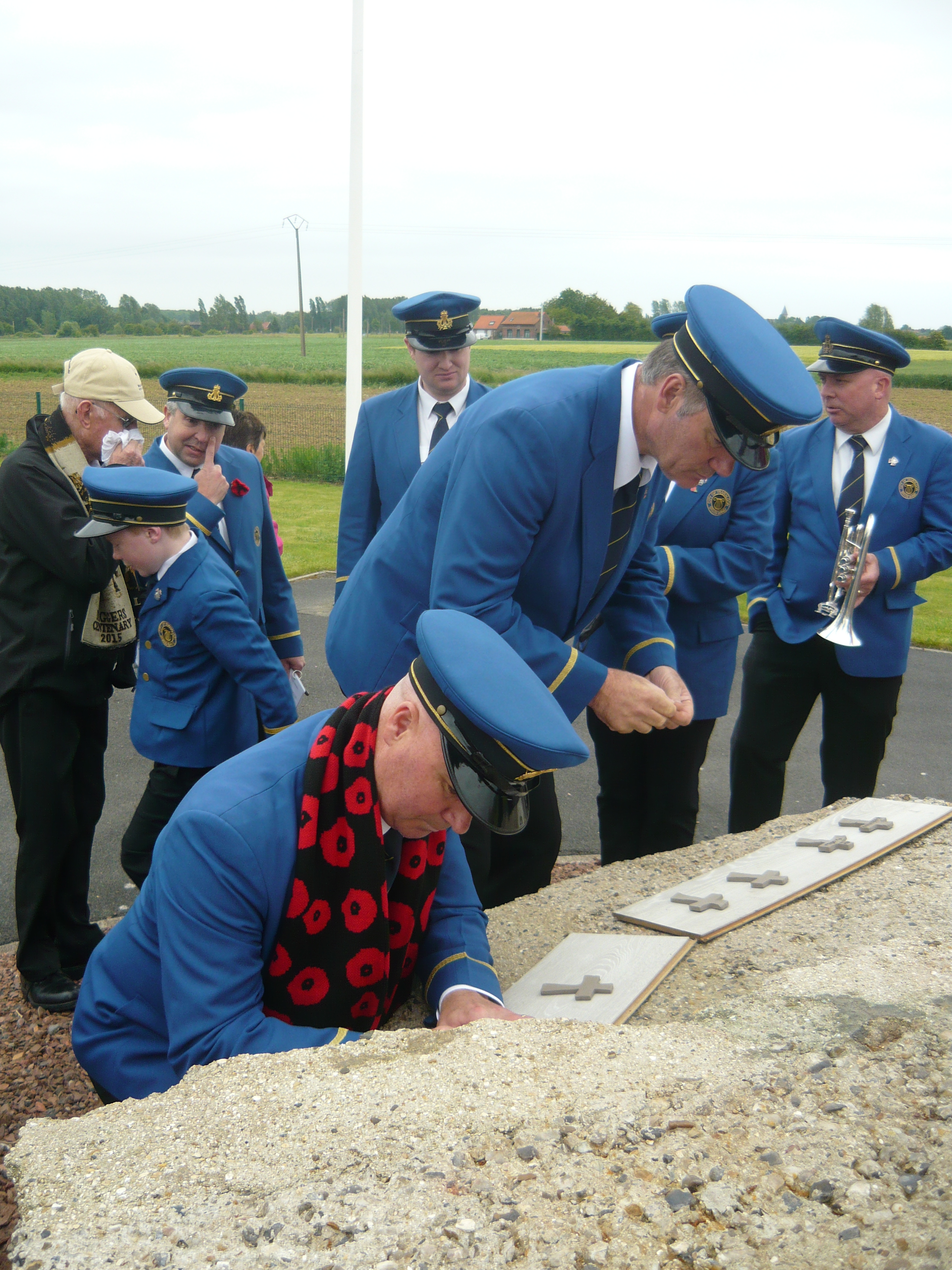
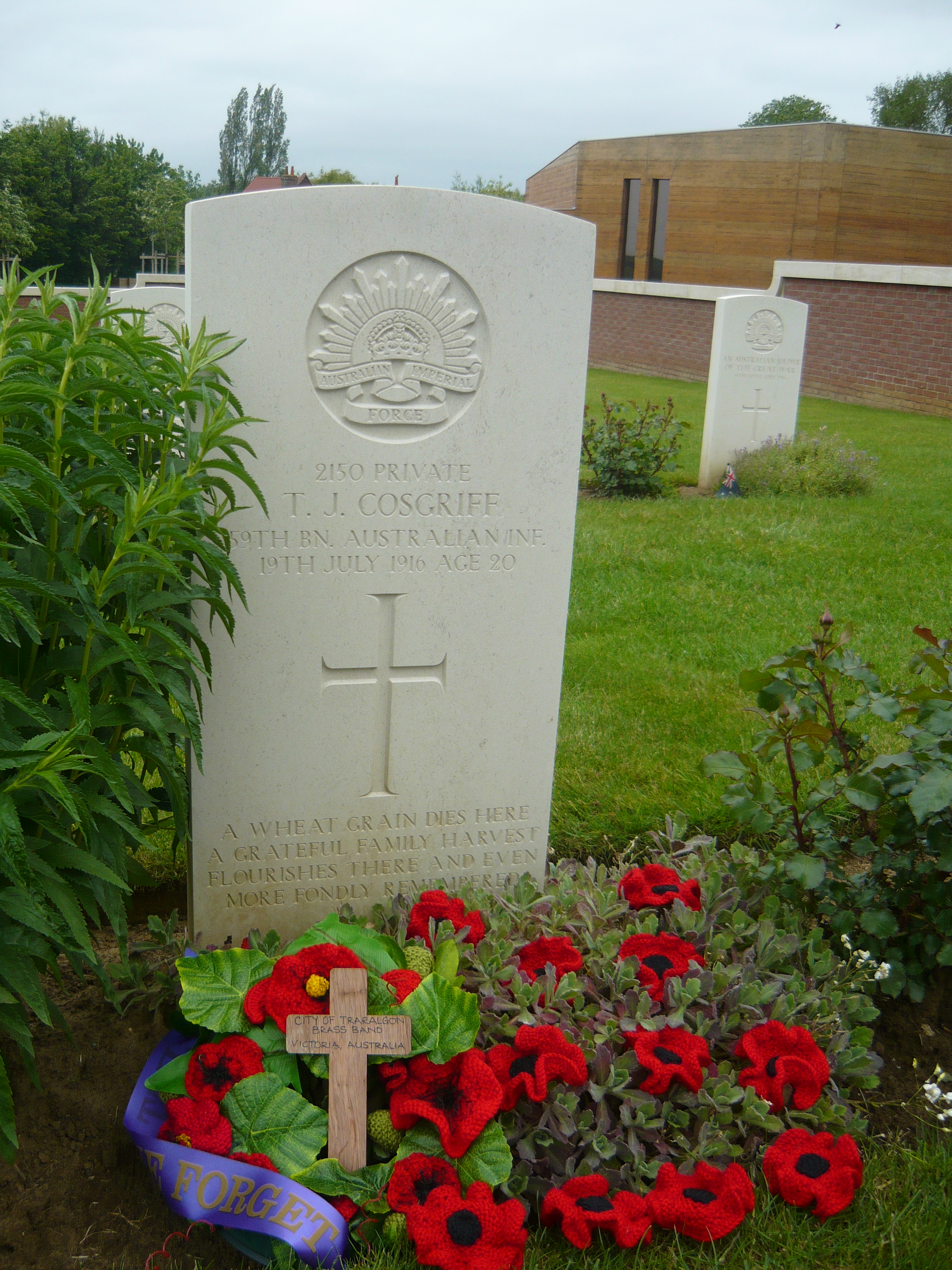
And I had one cross left – which I had brought with me from Australia. In a very touching moment 2 of the young members of the group wrote a message and placed the cross at the Memorial – and as promised I have taken the cross and placed it on the grave of T J Cosgriff – a relative of one of the band members.
I had also made 7 ceramic crosses for the members to carve a message into. How wonderful for the relatives of those brave men who died in the Battle of Fromelles to inscribe the crosses for our Fromelles project.
Safe journey my new friends and I hope your repetition at Villers Bretonneau is as moving as the music was this morning.
Debby xxx


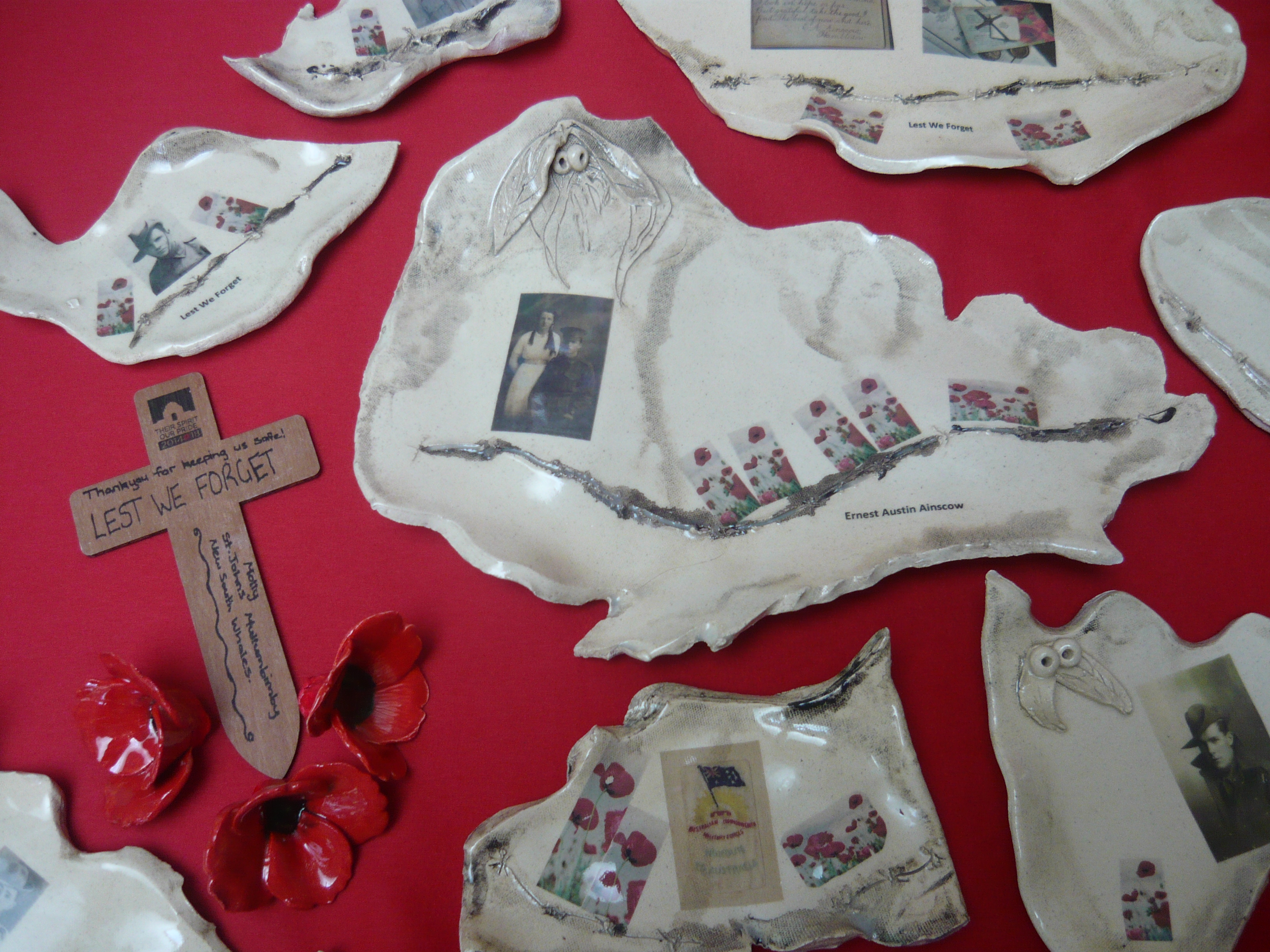
A huge thank you to Jean-Pierre Renaux and the staff of the Musee de la Vie Rurale for exhibiting my artwork and for your kindness this morning. It is an honour to be exhibiting at
Once Lost, Never Forgotten Steenwerck Rurale Museum, Steenwerck 27 May – 30 June 2015
Deborah Gower is currently the Artist-in residence at Fromelles – Maison de Association. It is the past association with Steenwerck that originally brought this area of France to Deborah’s attention. After researching a family tree, Deborah discovered a second cousin, Ernest Austin Ainscow.
Ernest Austin Ainscow 1898-1917 was killed in WW1 and is buried in Trois Arbes Cemetery, Steenwerck.
Deborah Gower est une artiste qui réside actuellement à Fromelles- la Maison des Associations. Suite à ses recherches généalogiques, elle a retrouvé un cousin de deuxième degré, Ernest Austin Ainscow (1898-1917), qui a été tué pendant la première guerre Mondiale et enterré au cimetière des Trois Arbres à Steenwerck.
Some long lost letters home from Ernest to his sister Lucretia, revealed a young Cairns lad who enlisted in the first World War to protect his family and friends – fair hair, blue eyes, who loved music, cared for his family and friends and gratefully took the good he found – the best of his “here and now”.
Quelques longues lettres destinées à sa sœur Lucretia ont été retrouvées, elles révèlent un jeune homme de Cairns, qui s’est engagé dans la première guerre mondiale pour protéger sa famille et ses amis. Il avait des cheveux blonds, yeux bleus et il aimait sa famille et amis, la musique, et profitait de bons moments au jour le jour.
Ernest wrote this verse in his sister Lucretia’s autograph book in 1913. He enlisted in 1916 and from his letters home in 1916-1917 he seems to have done just that – watching the horses, going to dances, seeing flowers in bloom in England, meeting up with friends and sharing meals.
Ernest a écrit ce verset dans le carnet d’autographes de Lucrèce en 1913. Il s’est engagé en 1916, et d’après ses lettres de 1916 à 1917 il semble avoir fait exactement cela – regarder les chevaux, aller danser, voir des fleurs éclorer en Angleterre, retrouver des amis autour de bons repas.
In June 1917 Ernest was shipped out to France and taken on strength into the 47st battalion in Belgium. He was 19 years old when on 12 August 1917 he died from injuries on the battlefield.
En Juin 1917 Ernest a été expédié en France puis a rejoint le 47ème bataillon en Belgique. Il avait 19 ans quand, le 12 Août 1917, il est décédé suite aux blessures sur le champs de bataille.
Buried in Steenwerck, France he is remembered in Australia by his relatives and a younger generation from Cairns, some of whom came to visit his grave earlier this year.
Enterré à Steenwerck en France, on ne l’oublie pas en Australie, sa famille ainsi qu’une génération plus jeune de Cairns, dont certains sont venus visiter sa tombe plus tôt cette année.
In May and June this year Deborah was honoured to visit his grave at Steenwerck and remember her long lost relative through her ceramic and mixed media exhibition at Steenwerck Rural Museum.
En mai et Juin de cette année Deborah a eu l’ honneur de se recueillir sur sa tombe à Steenwerck et se souvenir de son parent perdu depuis si longtemps, à travers son exposition de céramiques et de techniques mixtes au Musée rural Steenwerck.
Deborah Gower 2015 Fromelles
Once Lost, Never Forgotten
Earthenware
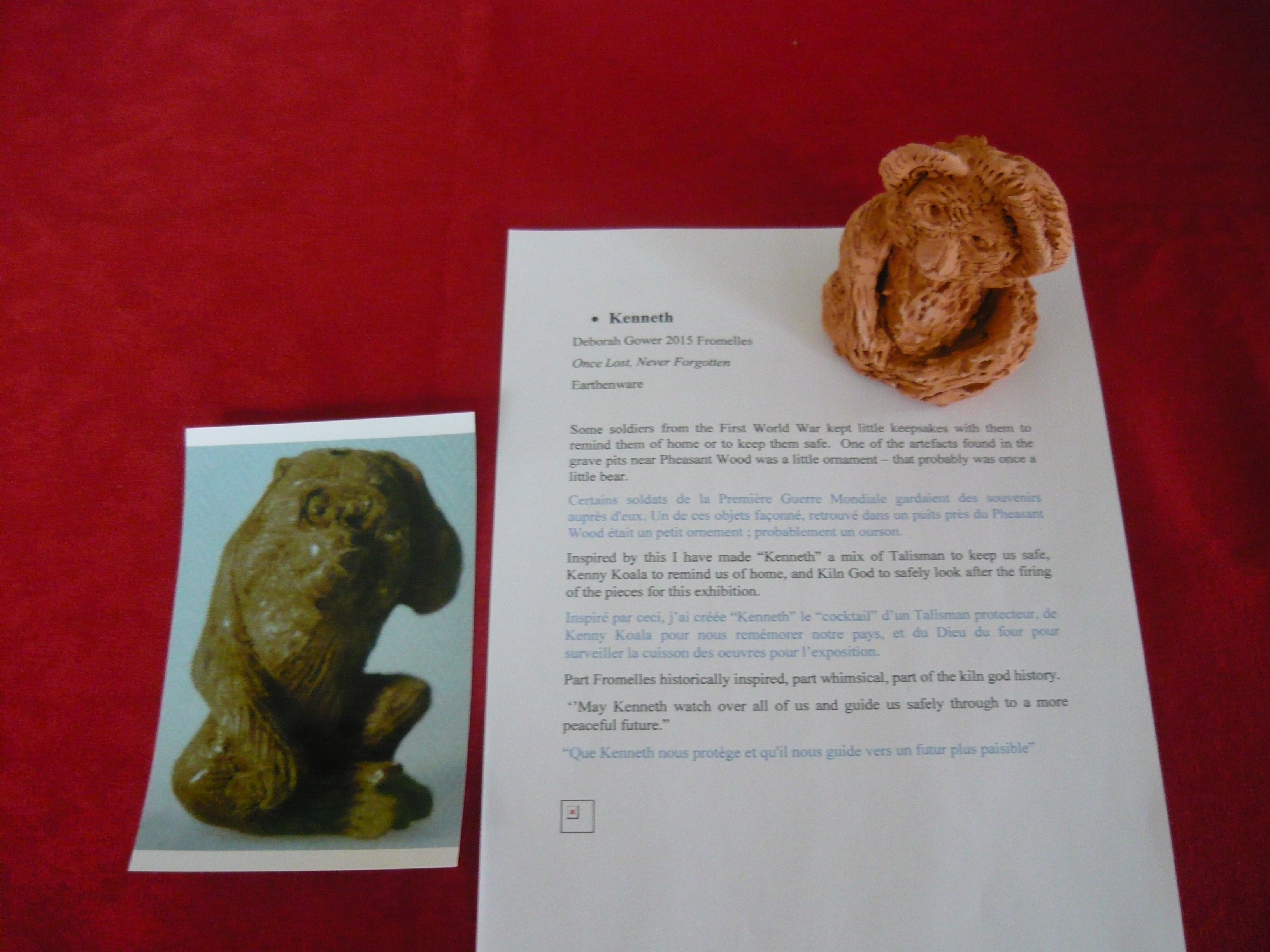
Some soldiers from the First World War kept little keepsakes with them to remind them of home or to keep them safe. One of the artefacts found in the grave pits near Pheasant Wood was a little ornament – that probably was once a little bear.
Certains soldats de la Première Guerre Mondiale gardaient des souvenirs auprès d’eux. Un de ces objets façonné, retrouvé dans un puits près du Pheasant Wood était un petit ornement ; probablement un ourson.
Inspired by this I have made “Kenneth” a mix of Talisman to keep us safe, Kenny Koala to remind us of home, and Kiln God to safely look after the firing of the pieces for this exhibition.
Inspiré par ceci, j’ai créée “Kenneth” le “cocktail” d’un Talisman protecteur, de Kenny Koala pour nous remémorer notre pays, et du Dieu du four pour surveiller la cuisson des oeuvres pour l’exposition.
Part Fromelles historically inspired, part whimsical, part of the kiln god history.
‘’May Kenneth watch over all of us and guide us safely through to a more peaceful future.”
“Que Kenneth nous protège et qu’il nous guide vers un futur plus paisible”
Deborah Gower 2015 Fromelles
Once Lost, Never Forgotten
Earthenware
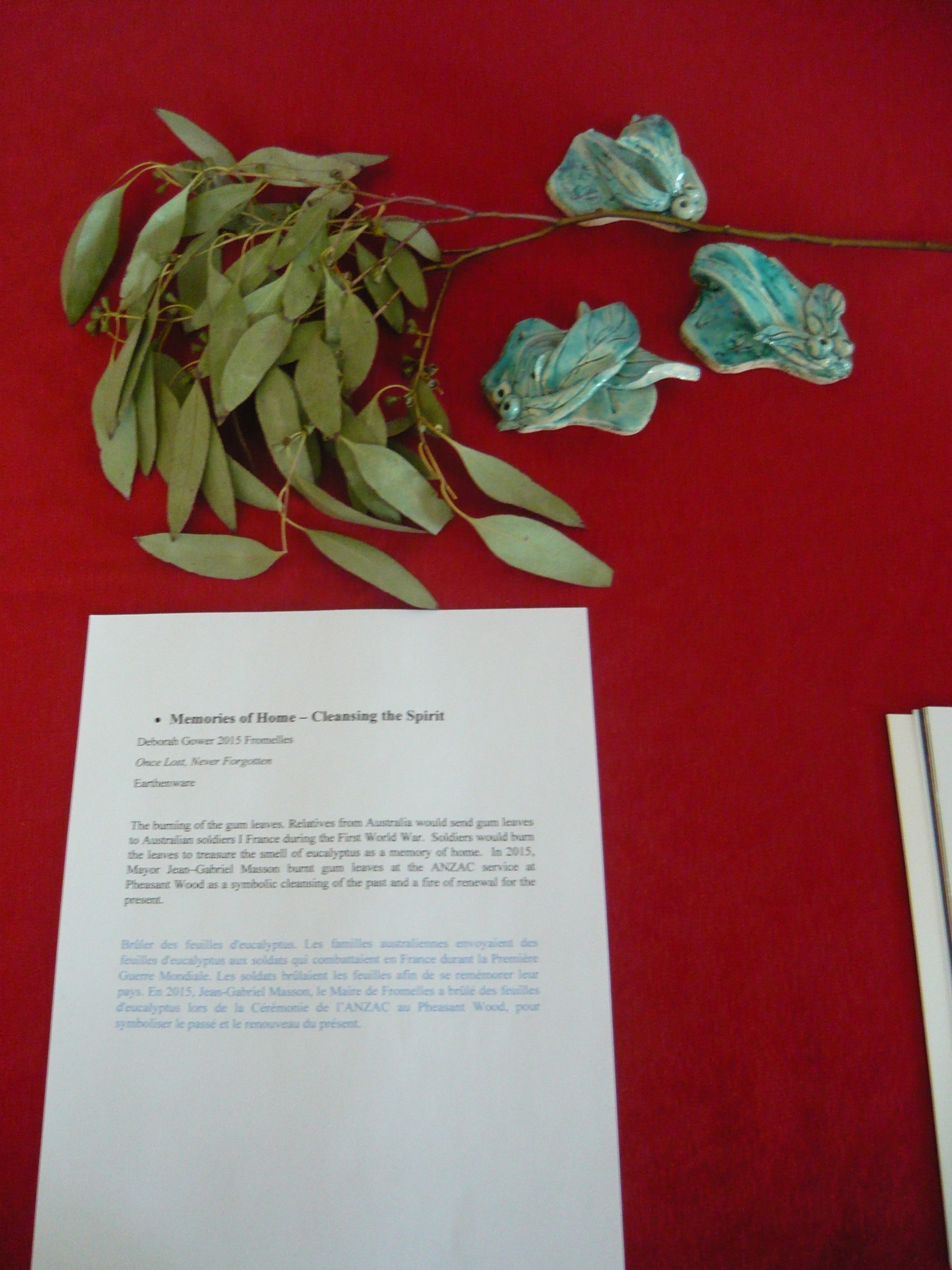
The burning of the gum leaves. Relatives from Australia would send gum leaves to Australian soldiers I France during the First World War. Soldiers would burn the leaves to treasure the smell of eucalyptus as a memory of home. In 2015, Mayor Jean–Gabriel Masson burnt gum leaves at the ANZAC service at Pheasant Wood as a symbolic cleansing of the past and a fire of renewal for the present.
Brûler des feuilles d’eucalyptus. Les familles australiennes envoyaient des feuilles d’eucalyptus aux soldats qui combattaient en France durant la Première Guerre Mondiale. Les soldats brûlaient les feuilles afin de se remémorer leur pays. En 2015, Jean-Gabriel Masson, le Maire de Fromelles a brûlé des feuilles d’eucalyptus lors de la Cérémonie de l’ANZAC au Pheasant Wood, pour symboliser le passé et le renouveau du présent.
Deborah Gower 2015 Fromelles
Once Lost, Never Forgotten
Earthenware
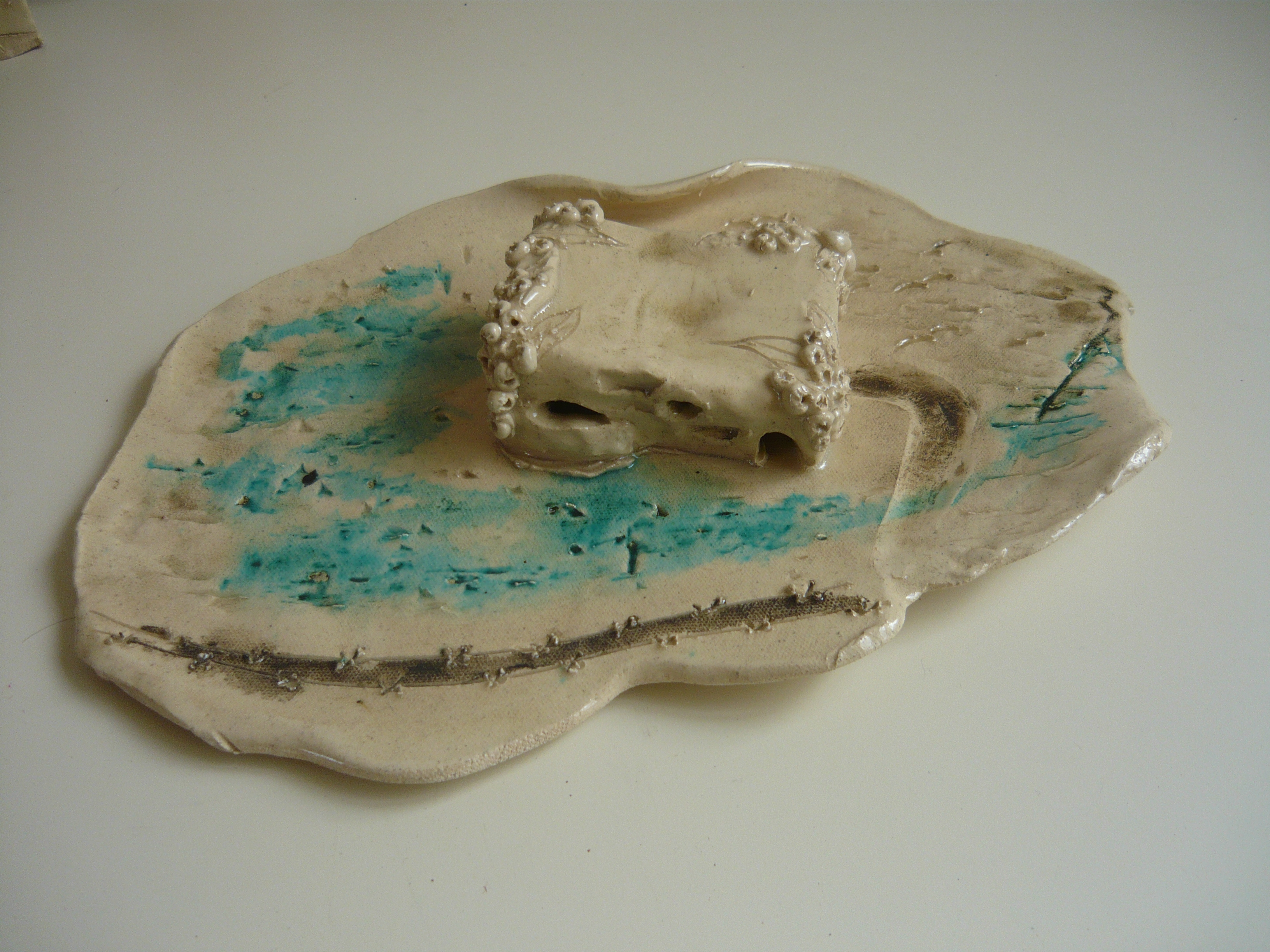
Everywhere you go around Fromelles you can see bunkers in fields. Bunker is a reminder of my Bird Watching excursion where we stumbled across a bunker in a field.
Il y a de nombreux bunkers disséminés dans les champs de Fromelles. Ceci me rappelle ma visite ornithologique, où nous avons trébuché sur un bunker dans les champs.
Birds are carved into the skyline. Where once was barbed wire, now are fields planted with fresh crops – new beginnings.
Les oiseaux volaient à l’horizon. Autrefois entourés de barbelés, les bunkers sont maintenant au milieu de champs cultivés, signe de renouveau.
The Bunker is adorned with Lily of the Valley flowers. These flowers are traditionally given to friends on 1 May. I was given some flowers by dear ladies Brigitte and Josie-Anne on 1 May 2015. Symbols of new friendships.
Le bunker est orné de muguet. Ces fleurs sont traditionnellement offertes le 1er Mai comme porte-bonheur entre amis. Brigitte et Josie-Anne m’en ont offert le 1er Mai, symbole d’une nouvelle amitié.
Deborah Gower 2015 Fromelles
Once Lost, Never Forgotten
Earthenware

Bunker in back yard was inspired by the bunker which is hidden in the back yard of Jean-Gabriel Masson, Mayor of Fromelles. Where once was barbed wire, now is housing. The bunkers and the horrors of WW1 are distant memories. The poppy is a symbol of the respect the people of Fromelles pay each ANZAC Day commemoration. The whole piece speaks of a new future for the continued friendships between Australia and France – Both countries having a shared history symbolised by the bunker in the backyard.
Le Bunker dans le jardin est inspiré par le bunker qui est caché dans le jardin voisin de chez Jean-Gabriel Masson, le Maire de Fromelles. Autrefois barbelé, il est maintenant habité par des chauve-souris et utilisé. Les bunkers et les horreurs de la Première Guerre Mondiale sont des souvenirs lointains.
Le coquelicot est le symbole du respect qu’ont les habitants de Fromelles pour la commémoration de l’ANZAC Day. Cette oeuvre représente le “nouveau” futur des relations amicales entre l’Australie et la France ; les deux pays ayant une histoire commune symbolisée par ce bunker dans le jardin.
Deborah Gower 2015 Fromelles
Once Lost, Never Forgotten
Earthenware
A tribute to some of the soldiers who have a connection to the Mullumbimby community including:
C’est un hommage aux soldats qui ont des liens avec la communauté de Mullumbimby

